
CONSTIPATION: WHAT YOU SHOULD KNOW

Constipation: What YOU Should Know

What is constipation?

Constipation is common and generally described as irregular bowel movements or difficulty in pooping.

If you’re experiencing one or more of the following symptoms, you could be constipated 1:

  • Straining to poo
  • Lumpy or hard stools
  • Feeling of incomplete evacuation
  • Fewer than three bowel movements per week


Note that you could be suffering from chronic constipation if you’re experiencing at least two symptoms of constipation for more than three months or even years 2.


How does constipation happen?

Normally, when food waste (stools) moves through the large intestine, water will be absorbed by the intestinal lining, making the stool solid.

However, when the intestinal movements are slow and sluggish and the stools move through the intestine too slowly, resulting in too much water being absorbed and stools become hard and lumpy.


People of all ages may experience constipation. There are certain conditions that could slow down intestinal movements and increase the risk of constipation 3:

  • Not taking enough water/fiber
  • Physically inactive
  • Taking certain medications/supplements
  • Pregnancy
  • Older age
  • Gastrointestinal disorder such as Irritable bowel syndrome


Can constipation lead to any health problems?

There are few complications that could happen if you don’t have smooth and regular bowel movements, which include 4:

  • Haemorrhoids
  • Anal fissures (Tears in skin around the anus)
  • Rectal bleeding
  • Rectal prolapse


Besides that, studies also showed that prolonged infrequent bowel movement is associated with an increased risk of colorectal cancer 5.
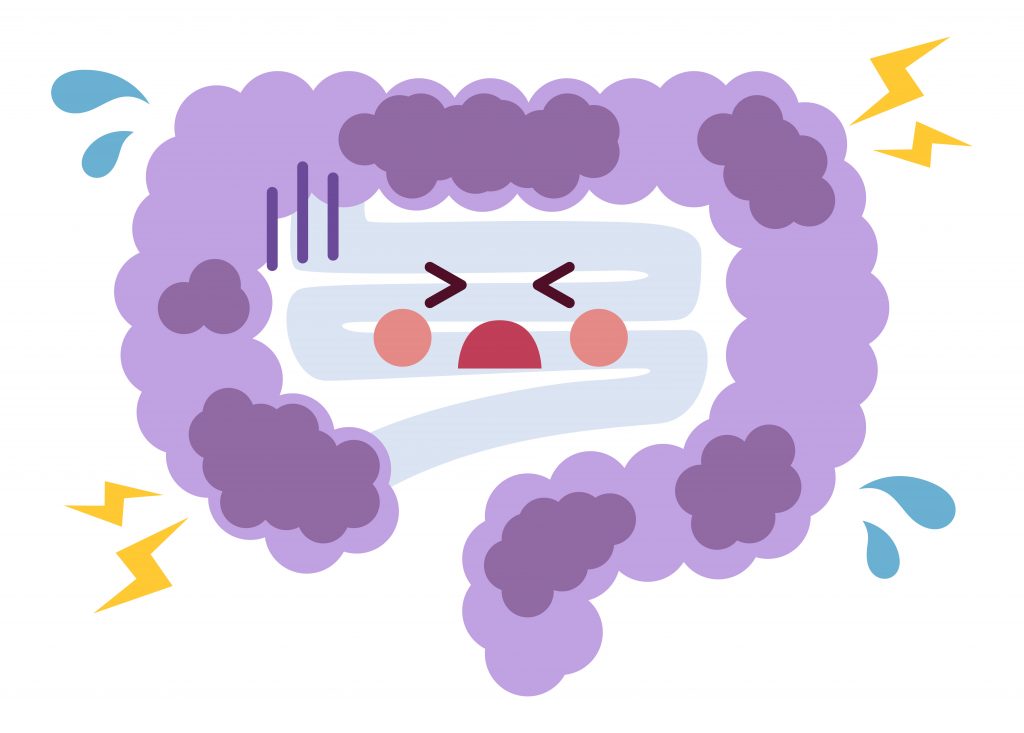

How to manage constipation?

You may relieve symptoms of mild constipation by making changes to your diet and lifestyle by:

  • Eating a diet rich in fibre: 25g fiber per day
  • Staying hydrated: up to 1.5-2.0L per day
  • Exercising regularly
  • Going to the toilet when there is an urge, don’t delay6


However, for chronic constipation, laxatives may be required to treat the condition 7.

All laxatives have different effects in helping you to pass stools. You should choose the laxative based on your symptoms and needs so that the laxative is effective to treat your condition. It is advised to take the laxative that6

  • Softens the stools if you have symptoms of hard stool
  • Is safe for long-term basis if you’re required to take laxatives for longer time due to a medical condition


Reference

  1. World Gastroenterology Organization Global Guidelines. (2010). Constipation: A Global Perspective. Retrieved from http://www.worldgastroenterology.org/guidelines/global-guidelines/constipation/constipation-english
  2. National Institute of Diabetes and Digestive and Kidney Diseases. Symptoms and Causes of Constipation. [Online]. Available from: https://www.niddk.nih.gov/health-information/digestive-diseases/constipation/symptoms-causes [Accessed 16th Oct 2020]
  3. Johns Hopkins Medicine. Constipation. Available from: https://www.hopkinsmedicine.org/health/conditions-and-diseases/constipation [Accessed 16th Oct 2020]
  4. Stanford Health Care. Constipation Cause. [Online]. Availlable from: https://stanfordhealthcare.org/medical-conditions/primary-care/constipation/complications.html [Accessed 26th June 2019].
  5. Kojima M et al. Bowel Movement Frequency and Risk of Colorectal Cancer in A Large Cohort Study of Japanese Men and Women. British J of Cancer. 2004; 90, 1397 – 1401
  6. NHS inform. Constipation. [Online]. https://www.nhsinform.scot/illnesses-and-conditions/stomach-liver-and-gastrointestinal-tract/constipation#symptoms-of-constipation [Accessed 26th June 2019].
  7. Petticrew M et al. Effectiveness of Laxatives in Adults. Quality in Health Care. 2001; 10:268-273

Related Products

What is diarrhoea?

What is Diarrhoea?

Diarrhoea is when there is a sudden change in the frequency and consistency of stools.  This is generally three loose or more watery stools a day, which may have been caused by bacteria, viruses or parasites. (1)


Diarrhoea can be:

Acute – sudden onset with three or more loose stools per day, lasting up to 14 days. In most cases, acute diarrhoea is infectious – resulting from a viral intestinal infection (this is usually the most common cause), bacteria or parasites. (1)


Chronic – is when diarrhea lasts for more than four weeks. (1)

Causes of Diarrhoea


  • Traveller’s diarrhoea – It is infectious and usually picked up in countries where climate or sanitary practices are different from yours at home. Traveller’s diarrhoea is generally caused by contaminated food and drinks. (2)
  • Gastroenteritis – Acute gastroenteritis is an inflammation of the lining of the digestive tract, leading to diarrhoea, frequent abdominal pain and vomiting. This is a very common condition: millions of people are affected every year (3)
  • Anxiety diarrhoea – Anxiety accelerates the transit of food through the intestines and colon. Stress & anxiety episodes may lead to diarrhoea. (3,4)
  • Food-induced diarrhoea

Acute diarrhoea can also be caused by food poisoning through contaminated food or allergens. Contaminated food are key to triggering diarrhoea, such as: cooked meals, spicy dishes, seafood, confectionary, unpasteurised dairy products and more(2,3)


Treatment of Diarrhoea

Why should you treat diarrhoea?

Acute diarrhoea should be addressed. Although common, it may lead to significant loss of water and minerals. In cases of severe diarrhoea, medical attention is needed. It is important to limit the transmission of viral diarrhoea to people around you. (1)


What to eat when you have diarrhoea?

If you have acute diarrhea, it is advisable to adjust your diet.

Eat lighter meals that contain salt, glucose and no residues.

It is best to consume rice, boiled carrots, and bananas.

Do avoid milk, raw fruits and vegetables, frozen foods and beverages. (5)


Antidiarrheal drugs

To treat diarrhoea, you can use anti-diarrhoeal medications available without a prescription from a pharmacy. They will help relieve symptoms. However, it is most important to rehydrate. (5)

In cases of acute diarrhoea that are infectious, you may use the following drugs:

 
  • Motility inhibitors: They reduce the contractions of the intestines and the frequency of bowel movements. Do not use them if you have diarrhoea with blood in the stools or chronic intestinal inflammation. Use these medicines with caution because they slow down the elimination of the microbe in question and therefore, healing. (5)
  • Intestinal adsorbents and protectants: These medications, like diosmectite, binds harmful viruses, bacteria and toxins, and coats the intestinal mucosa, enabling it to repair and restore the intestinal walls. Thus, not just stopping but treating diarrhoea. If you are taking other treatments, it is generally advisable to take these intestinal protectors apart from other medicines, as they may reduce the effect. (5)
  • Anti-diarrheal agents based on microorganisms: Designed to act on the intestinal flora. (5)


Reference

  1. https://www.who.int/news-room/fact-sheets/detail/diarrhoeal-disease

  2. AFSSAPS. Well treat yourself with medications available without a prescription. Transient diarrhoea of the adult. June 2009.

  3. Website of the Health Insurance. http://www.ameli-sante.fr/gastro-enterite-de-ladulte/les-symptomes-les-causes-et-levolution-de-la-gastro-enterite.html and https: //www.ameli. en / guarantees / health / themes / gastroenteritis-adult / prevention

  4. Delvaux M, Gay. Approach of the patient with functional diarrhoea. Gastroenterol Clin Biol, 2006; 30: 415-20

  5. PediatricOnCall. Diarrhea and Vomiting – Diet. https://www.pediatriconcall.com/articles/nutrition/diarrhea-and-vomiting-diet/diarrhea-and-vomiting-diet

  6. MIMS Gastroenterology. Diarrhoea in Adults – Infectious. https://specialty.mims.com/diarrhea%20in%20adults%20-%20infectious/treatment

Related Products