A sore throat is an indication of an alarming health condition. Myth or fact?

A sore throat is an indication of an alarming health condition. Myth or fact?
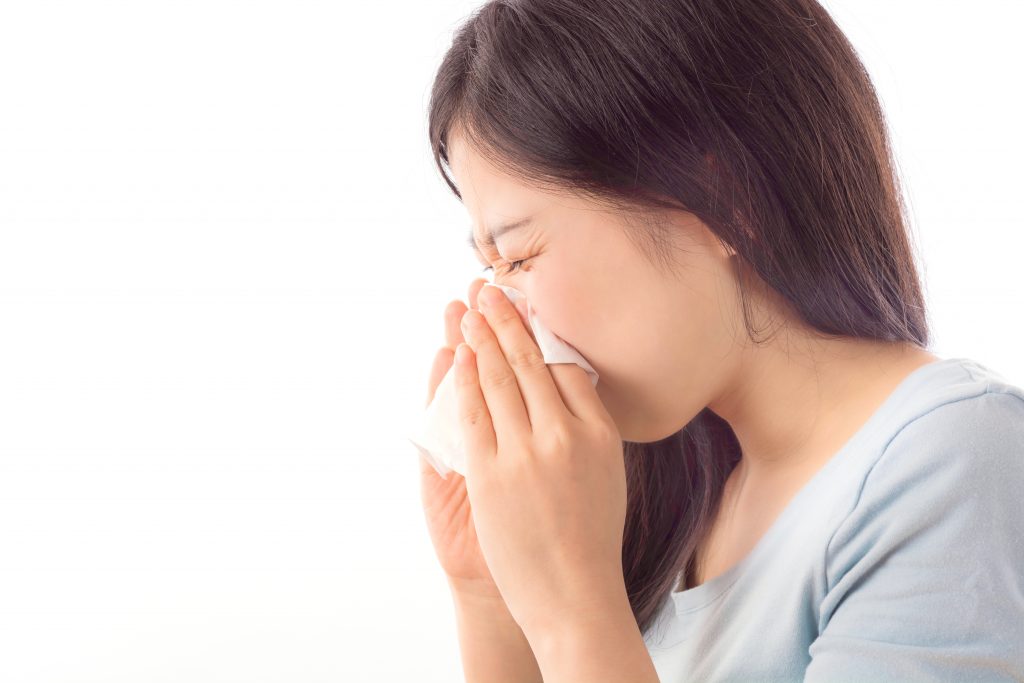
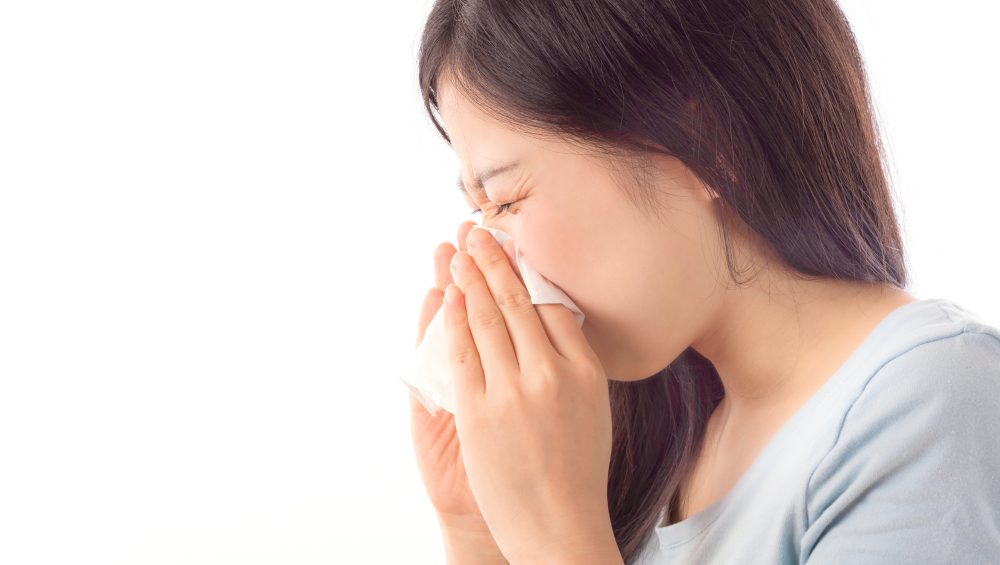
A sore throat is pain, scratchiness or irritation of the throat. It starts as a persistent tickle in the back of your throat that soon progresses into a prickly sensation every time you swallow.


There are different conditions that can cause a sore throat and they may include having the following symptoms1:

  1. Colds or flu: blocked or runny nose, cough, fever or headaches
  2. Laryngitis: hoarse voice and dry cough
  • Tonsillitis: discomfort when swallowing and a fever
  1. Strep throat: swollen glands in your neck, discomfort when swallowing
  2. Glandular fever: feeling very tired with a fever and swollen glands in your neck

You may also have a sore throat due to allergies, pollutants and dryness1.

Easing the pain of a sore throat is all you can do beyond treatment. Drink lots of liquids, gargle with warm saltwater and suck on lozenges or pastilles to keep your throat from getting dry.


In most cases, your sore throat will improve with some home remedies. However, it’s time to see your doctor if you’re having a severe sore throat, fever and difficulty sleeping because your throat is blocked by swollen tonsils or when a red rash appears2.


Honey helps to soothe a sore throat. Myth or fact?


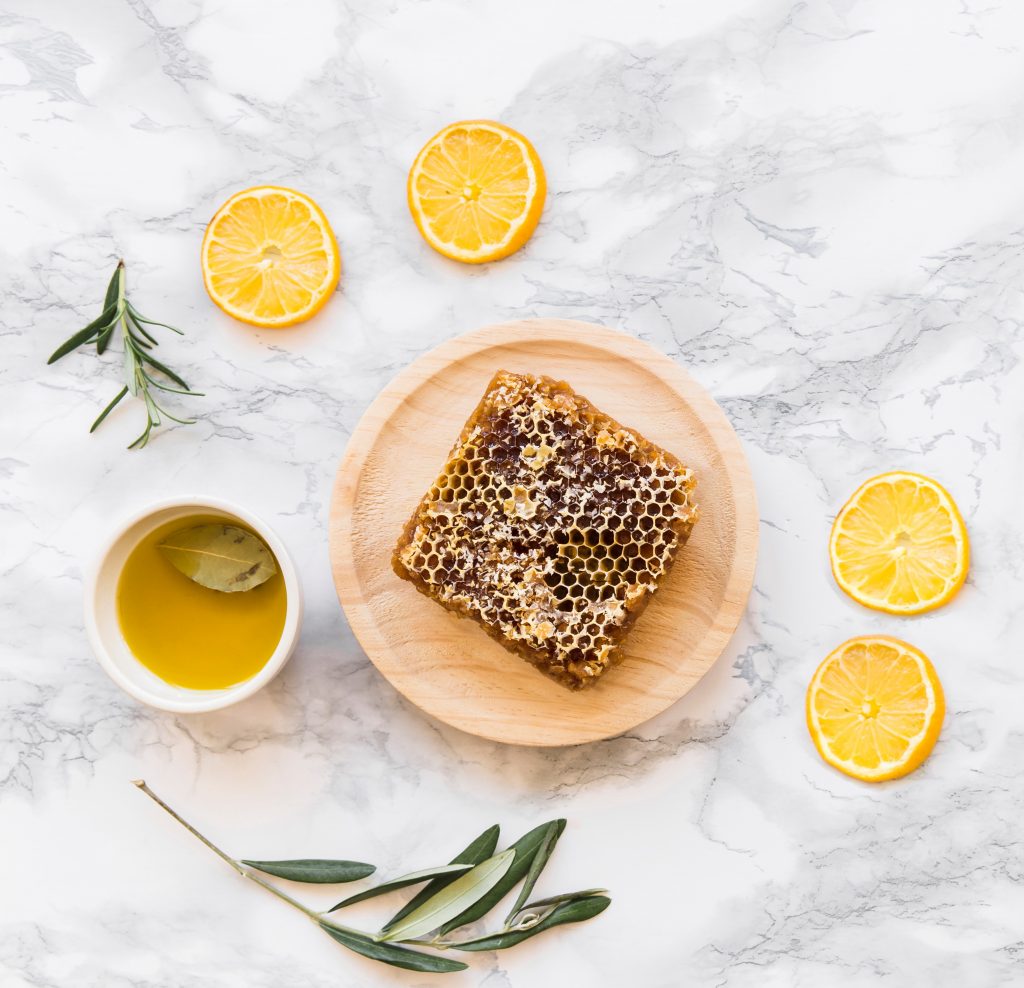
Honey is one of the most common home remedies for a sore throat due to its natural antibacterial and anti-inflammatory properties.


If you’re suffering from a bad cough in addition to a sore throat, Centres for Disease Control and Prevention (CDC) has recommended the use of honey to ease the cough for adults and children at least 1 year of age 1. 


Besides honey, there are a few other measures that are recommended to help soothe a sore throat 2:
  1. Gargle with saltwater: Saltwater may not provide you with immediate relief but it helps to reduce throat swelling and pain.
  2. Drink warm beverages and plenty of fluids: Sip fluids regularly throughout the day to keep the throat moist.
  • Use a clean humidifier or cool mist vaporiser: A humidifier will keep the air moist and open your sinuses.
  1. Suck on ice chips, popsicles: To get your saliva flowing and keep your throat hydrated.

Some lozenges or pastilles may have anti-inflammatory or antibacterial effects. Look for one with herbal or non-drug formulation for effective and safe relief from throat pain or discomforts

Follow up with a doctor if symptoms do not improve within a few days, get worse, or if you or your loved ones have recurrent sore throats.

Your child should take antibiotics for a sore throat. Myth or fact?

Sore throat happens all the time in childhood. The most common reason for developing a sore throat would be a virus, and this is often accompanied by cold symptoms. 


Antibiotics is not needed for a sore throat caused by a virus as it usually goes away after few days.


However, a severe sore throat may be an indication of a possible strep throat, a bacterial infection. Along with a sore throat, children may have a fever, headache, stomachache and pink rashes. A swab test should be done to confirm if it’s strep throat before starting the antibiotics.


Treatment for a sore throat depends on the cause. You may use home remedies to help your child soothe the sore throat.


Drink lots of liquids, gargle with warm saltwater and suck on pastilles to keep your child’s throat from getting dry.


Meanwhile, monitor your child’s symptoms and seek treatment if the symptoms persist.


Reference

  1. Sore throat. NHS inform. Available from: https://www.nhsinform.scot/illnesses-and-conditions/ears-nose-and-throat/sore-throat [Accessed on 18th May 2020]
  2. Sore throat. American Osteopathic Association. Available from: https://osteopathic.org/what-is-osteopathic-medicine/sore-throat/ [Accessed on 18th May 2020]
  3. Sore throat. Centers for Disease Control and Prevention. Available from: https://www.cdc.gov/antibiotic-use/community/for-patients/common-illnesses/sore-throat.html [Accessed on 18th May 2020]
  4. Sore throat. NHS inform. Available from: https://www.nhsinform.scot/illnesses-and-conditions/ears-nose-and-throat/sore-throat [Accessed on 18th May 2020]
  5. Sore throat. Centers for Disease Control and Prevention. Available from: https://www.cdc.gov/antibiotic-use/community/for-patients/common-illnesses/sore-throat.html [Accessed on 18th May 2020]
  6. When to worry about your child’s sore throat. Harvard Health Publishing. Available from: https://www.health.harvard.edu/blog/worry-childs-sore-throat-2018011613119 [Accessed on 19th May 2020]
Related Products

PERSISTENT COUGH AND PHLEGM

Persistent Cough and Phlegm

What is persistent cough and phlegm?

A chronic cough is defined as a cough that persists for more than 3 to 8 weeks, sometimes lasting for months or even years, affecting one’s sleep quality and day-to-day living. Persistent cough is not a disease in itself, but rather a symptom of an underlying condition.1


Incidences of persistent cough and phlegm

Coughing is the fifth most common reason people visit their doctor. 2 43.9% – 51.5% of these people are smoking adults aged over 40 years3 whereas 14%-23% are non-smoking adults.2


What are the possible causes?

Respiratory tract infection4


Coughing is one of the most common symptoms of colds and flu and other respiratory tract infections. The other symptoms that accompany colds and flu, such as stuffy nose and a fever are tell-tale signs that a bacterial or viral infection is causing your cough.


Chronic obstructive pulmonary disease (COPD)4


COPD can cause a nagging cough, a lung condition that includes chronic bronchitis and emphysema. It occurs when the airways and air sacs in the lungs become inflamed or damaged, most often due to smoking and is more common after age 45.


Allergic reaction4


Various pollutants and irritants in the air can cause a persistent cough. Even short-term exposure to fumes (such as diesel exhaust) can result in cough, phlegm and lung irritation. Fumes can also exacerbate the symptoms of allergies. Similarly, mold spores found in and around homes can cause wheezing and coughing when inhaled.


What to do to improve condition?

Immediately stop smoking cigarettes, herbal tobacco.

It takes about seven years for your lungs to completely recover from the damage of long-term smoking.


Walk for 30 minutes at least 3 days a week.

Slow down or take a break if you feel out of breath.


Add time, intensity or additional workouts to your regime.

You may decide to jog instead of walk. Exercise improves lung functions and helps you increase your lung capacity.


Reduce your intake of dairy.


Dairy causes your body to produce extra mucus, clogging the respiratory system. Sugar, caffeine, beer, wheat and fried foods produce excess mucus in many patients. Reduce your intake of these foods for added benefit.


Drink mint tea or whiff peppermint oil.

The menthol in mint helps relieve congestion so you can breathe properly. Congestion may cause you to take improper, shallow breaths. If you relieve congestion, you can practice deep breathing with more ease.


Reference

  1. http://www.patient.co.uk/doctor/chronic-persistent-cough-in-adults
  2. Marcia Jacomelli et al. Chronic cough in non-smokers: diagnostic approach. J. Pheomologia vol. 29 no.6 Sao Paulo Nov/Dec 2003.
  3. Hyeon-kyoung Koo et al. Prevalence of chronic cough and possible causes in the general population based on the Korean National Health and Nutrition Examination Survey. Medicine (Baltimore) 2016 Sep;95(37): e45954.
  4. http://www.health.com/health/condition-article
  5. http://www.ehow/com/how-strengthen-weak-lungs

CONSTIPATION: WHAT YOU SHOULD KNOW

Constipation: What YOU Should Know

What is constipation?

Constipation is common and generally described as irregular bowel movements or difficulty in pooping.

If you’re experiencing one or more of the following symptoms, you could be constipated 1:

  • Straining to poo
  • Lumpy or hard stools
  • Feeling of incomplete evacuation
  • Fewer than three bowel movements per week


Note that you could be suffering from chronic constipation if you’re experiencing at least two symptoms of constipation for more than three months or even years 2.


How does constipation happen?

Normally, when food waste (stools) moves through the large intestine, water will be absorbed by the intestinal lining, making the stool solid.

However, when the intestinal movements are slow and sluggish and the stools move through the intestine too slowly, resulting in too much water being absorbed and stools become hard and lumpy.


People of all ages may experience constipation. There are certain conditions that could slow down intestinal movements and increase the risk of constipation 3:

  • Not taking enough water/fiber
  • Physically inactive
  • Taking certain medications/supplements
  • Pregnancy
  • Older age
  • Gastrointestinal disorder such as Irritable bowel syndrome


Can constipation lead to any health problems?

There are few complications that could happen if you don’t have smooth and regular bowel movements, which include 4:

  • Haemorrhoids
  • Anal fissures (Tears in skin around the anus)
  • Rectal bleeding
  • Rectal prolapse


Besides that, studies also showed that prolonged infrequent bowel movement is associated with an increased risk of colorectal cancer 5.


How to manage constipation?

You may relieve symptoms of mild constipation by making changes to your diet and lifestyle by:

  • Eating a diet rich in fibre: 25g fiber per day
  • Staying hydrated: up to 1.5-2.0L per day
  • Exercising regularly
  • Going to the toilet when there is an urge, don’t delay6


However, for chronic constipation, laxatives may be required to treat the condition 7.

All laxatives have different effects in helping you to pass stools. You should choose the laxative based on your symptoms and needs so that the laxative is effective to treat your condition. It is advised to take the laxative that6

  • Softens the stools if you have symptoms of hard stool
  • Is safe for long-term basis if you’re required to take laxatives for longer time due to a medical condition


Reference

  1. World Gastroenterology Organization Global Guidelines. (2010). Constipation: A Global Perspective. Retrieved from http://www.worldgastroenterology.org/guidelines/global-guidelines/constipation/constipation-english
  2. National Institute of Diabetes and Digestive and Kidney Diseases. Symptoms and Causes of Constipation. [Online]. Available from: https://www.niddk.nih.gov/health-information/digestive-diseases/constipation/symptoms-causes [Accessed 16th Oct 2020]
  3. Johns Hopkins Medicine. Constipation. Available from: https://www.hopkinsmedicine.org/health/conditions-and-diseases/constipation [Accessed 16th Oct 2020]
  4. Stanford Health Care. Constipation Cause. [Online]. Availlable from: https://stanfordhealthcare.org/medical-conditions/primary-care/constipation/complications.html [Accessed 26th June 2019].
  5. Kojima M et al. Bowel Movement Frequency and Risk of Colorectal Cancer in A Large Cohort Study of Japanese Men and Women. British J of Cancer. 2004; 90, 1397 – 1401
  6. NHS inform. Constipation. [Online]. https://www.nhsinform.scot/illnesses-and-conditions/stomach-liver-and-gastrointestinal-tract/constipation#symptoms-of-constipation [Accessed 26th June 2019].
  7. Petticrew M et al. Effectiveness of Laxatives in Adults. Quality in Health Care. 2001; 10:268-273

Related Products

How the Vaginal Flora Helps Prevent Infections and Discomforts

How the Vaginal Flora Helps Prevent Infections and Discomforts

The vaginal flora helps to prevent infections and discomforts such as itch and discharge.

The main cause of the high occurrence of vaginal issues is an imbalance in the vaginal flora. In other words, the balance is being disrupted either by good bacteria being reduced in numbers or due to the overgrowth of “bad” bacteria or yeast cells. The reduction in good bacteria and overgrowth of harmful microbes is often correlated. When this happens, your body can either manage to fight the infection off and return itself to a state of healthy balance, or it may need some help from the outside in the shape of medication, products containing prebiotics or a change in lifestyle. Almost all women will suffer from bacterial vaginosis, a yeast infection or a urinary infection at least once in their lifetime.


“If the vaginal flora is compromised, the protective role of the lactobacilli (the good bacteria) is reduced. Due to reduced numbers of lactobacilli, less lactic acid is produced, and the protective low vaginal pH is affected.”


What Is Considered to Be a Healthy Vaginal Flora?

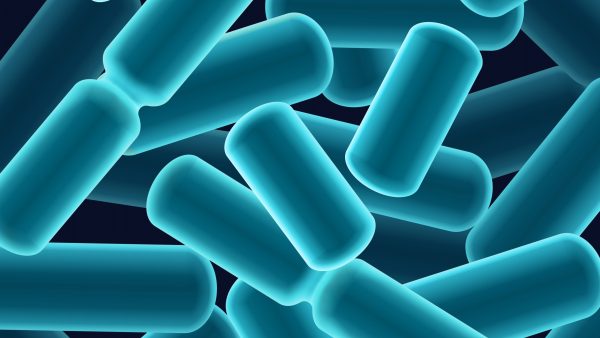
A healthy vagina is heavily populated with “good” lactobacillus bacteria. These bacteria are considered to be a sort of gatekeepers for the vagina – they can inhibit the growth of potentially harmful bacteria/yeast by producing lactic acid and hydrogen peroxide and prevent the bad bacteria from attaching to the vaginal wall. Lactic acid helps maintain the acidic environment of the vagina, while hydrogen peroxide helps kill the bad bacteria.

Causes of a Disturbed Balance

If the vaginal flora is compromised, the protective role of the lactobacilli (the good bacteria) is reduced. Due to reduced numbers of lactobacilli, less lactic acid is produced, and the protective low vaginal pH is affected. As a result, bad bacteria take the opportunity to overgrow.

There are many factors that can disturb the delicate balance that exists inside the vagina. Some of them include tissue damage caused by giving birth; health issues, stress, certain medication, tight clothing or synthetic underwear; inappropriate hygiene; irritants present in lotions, body washes and other cosmetic products; friction caused by penetration if the woman is not sufficiently aroused during intercourse; hormonal changes, etc.

During pregnancy, the amount and diversity of the vaginal lactobacilli is often reduced, putting pregnant women at a higher risk of an infection.


Symptoms Associated with an imbalance in the vaginal flora are:

  • Discharge
  • Odour
  • Itch
  • Irritation
  • Redness
  • Swelling
  • Pain while urinating or during intercourse, burning sensation
  • Sensitivity
  • Soreness

How Can You Reduce the Risk of Imbalance?

A balanced vaginal flora helps to prevent bacterial and yeast infections and is crucial for good vaginal health. In order to reduce the risk of imbalance in the vaginal flora, develop good hygienic habits and follow general recommendations on how to take care of your intimate region. You could also use products that contain ingredients which support the growth of the good bacteria to prevent possible infections and promote recovery if the symptoms have already developed.


Multi-Gyn® Products

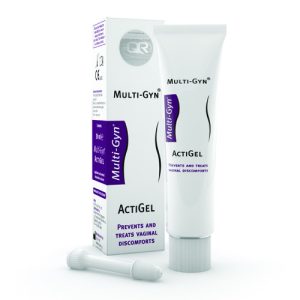
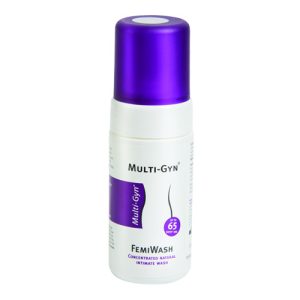
Multi-Gyn® offers a complete range of intimate self-care products for the treatment and prevention of vaginal discomforts. Visit for more information: https://www.multi-gyn.com.my/.


Reference

https://www.multi-gyn.com/general/how-the-vaginal-flora-helps-prevent-infections-and-discomforts/

Related Products

Improve your blood circulation

Improve your blood circulation

Your blood vessels age with you  

Blood vessels in our body transport oxygen and nutrients throughout the body. As we grow older, fats, cholesterol, calcium and free radicals build up within our blood vessels.

Over time, this can affect the blood flow to different parts of the body.

When blood flow to a specific part of your body is reduced, you may experience the symptoms of poor circulation.


What are the possible signs and symptoms of poor blood circulation?

A wide range of symptoms can indicate poor blood circulation. These symptoms can affect a person’s quality of life and may even cause severe complications.

They include:

  • numbness and tingling in the hands and feet
  • cold hands and feet
  • swelling in the feet, ankles, and legs
  • memory loss and difficulty concentrating
  • vertigo (dizziness)
  • fatigue (tiredness)


Reference

Related Products

What is diarrhoea?

What is Diarrhoea?

Diarrhoea is when there is a sudden change in the frequency and consistency of stools.  This is generally three loose or more watery stools a day, which may have been caused by bacteria, viruses or parasites. (1)


Diarrhoea can be:

Acute – sudden onset with three or more loose stools per day, lasting up to 14 days. In most cases, acute diarrhoea is infectious – resulting from a viral intestinal infection (this is usually the most common cause), bacteria or parasites. (1)


Chronic – is when diarrhea lasts for more than four weeks. (1)

Causes of Diarrhoea


  • Traveller’s diarrhoea – It is infectious and usually picked up in countries where climate or sanitary practices are different from yours at home. Traveller’s diarrhoea is generally caused by contaminated food and drinks. (2)
  • Gastroenteritis – Acute gastroenteritis is an inflammation of the lining of the digestive tract, leading to diarrhoea, frequent abdominal pain and vomiting. This is a very common condition: millions of people are affected every year (3)
  • Anxiety diarrhoea – Anxiety accelerates the transit of food through the intestines and colon. Stress & anxiety episodes may lead to diarrhoea. (3,4)
  • Food-induced diarrhoea

Acute diarrhoea can also be caused by food poisoning through contaminated food or allergens. Contaminated food are key to triggering diarrhoea, such as: cooked meals, spicy dishes, seafood, confectionary, unpasteurised dairy products and more(2,3)


Treatment of Diarrhoea

Why should you treat diarrhoea?

Acute diarrhoea should be addressed. Although common, it may lead to significant loss of water and minerals. In cases of severe diarrhoea, medical attention is needed. It is important to limit the transmission of viral diarrhoea to people around you. (1)


What to eat when you have diarrhoea?

If you have acute diarrhea, it is advisable to adjust your diet.

Eat lighter meals that contain salt, glucose and no residues.

It is best to consume rice, boiled carrots, and bananas.

Do avoid milk, raw fruits and vegetables, frozen foods and beverages. (5)


Antidiarrheal drugs

To treat diarrhoea, you can use anti-diarrhoeal medications available without a prescription from a pharmacy. They will help relieve symptoms. However, it is most important to rehydrate. (5)

In cases of acute diarrhoea that are infectious, you may use the following drugs:

 
  • Motility inhibitors: They reduce the contractions of the intestines and the frequency of bowel movements. Do not use them if you have diarrhoea with blood in the stools or chronic intestinal inflammation. Use these medicines with caution because they slow down the elimination of the microbe in question and therefore, healing. (5)
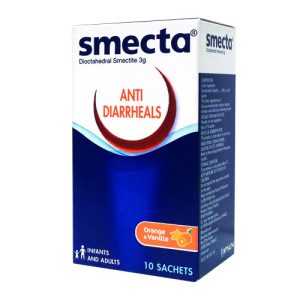
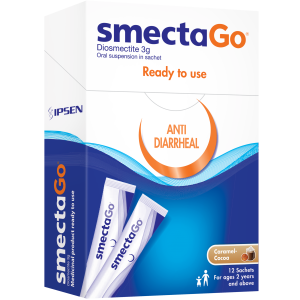
  • Intestinal adsorbents and protectants: These medications, like diosmectite, binds harmful viruses, bacteria and toxins, and coats the intestinal mucosa, enabling it to repair and restore the intestinal walls. Thus, not just stopping but treating diarrhoea. If you are taking other treatments, it is generally advisable to take these intestinal protectors apart from other medicines, as they may reduce the effect. (5)
  • Anti-diarrheal agents based on microorganisms: Designed to act on the intestinal flora. (5)


Reference

  1. https://www.who.int/news-room/fact-sheets/detail/diarrhoeal-disease

  2. AFSSAPS. Well treat yourself with medications available without a prescription. Transient diarrhoea of the adult. June 2009.

  3. Website of the Health Insurance. http://www.ameli-sante.fr/gastro-enterite-de-ladulte/les-symptomes-les-causes-et-levolution-de-la-gastro-enterite.html and https: //www.ameli. en / guarantees / health / themes / gastroenteritis-adult / prevention

  4. Delvaux M, Gay. Approach of the patient with functional diarrhoea. Gastroenterol Clin Biol, 2006; 30: 415-20

  5. PediatricOnCall. Diarrhea and Vomiting – Diet. https://www.pediatriconcall.com/articles/nutrition/diarrhea-and-vomiting-diet/diarrhea-and-vomiting-diet

  6. MIMS Gastroenterology. Diarrhoea in Adults – Infectious. https://specialty.mims.com/diarrhea%20in%20adults%20-%20infectious/treatment

Related Products